ISO
9001:2015 Certified
±0.1 mm
Tolerances
4+
Materials
Our Welding Services
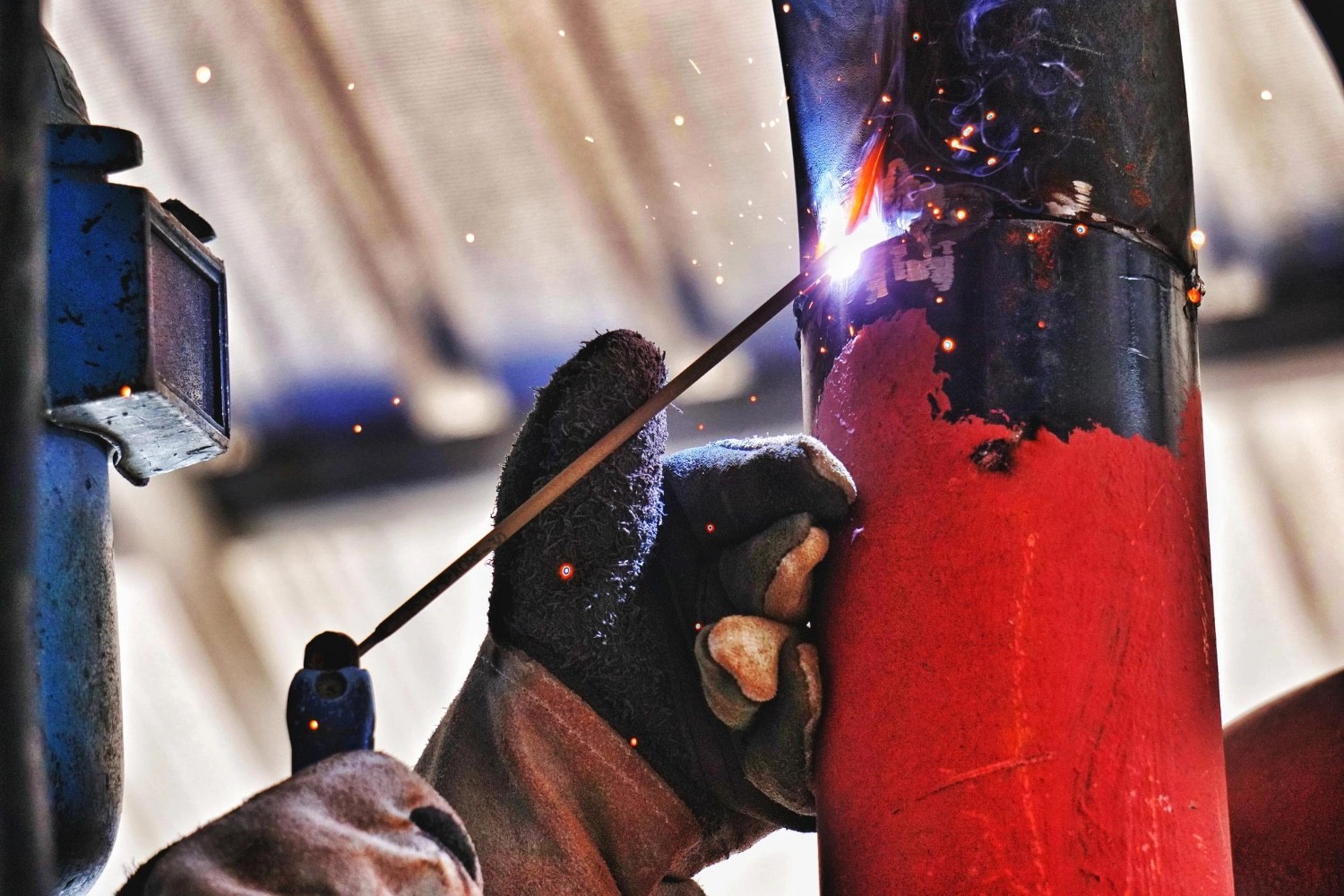
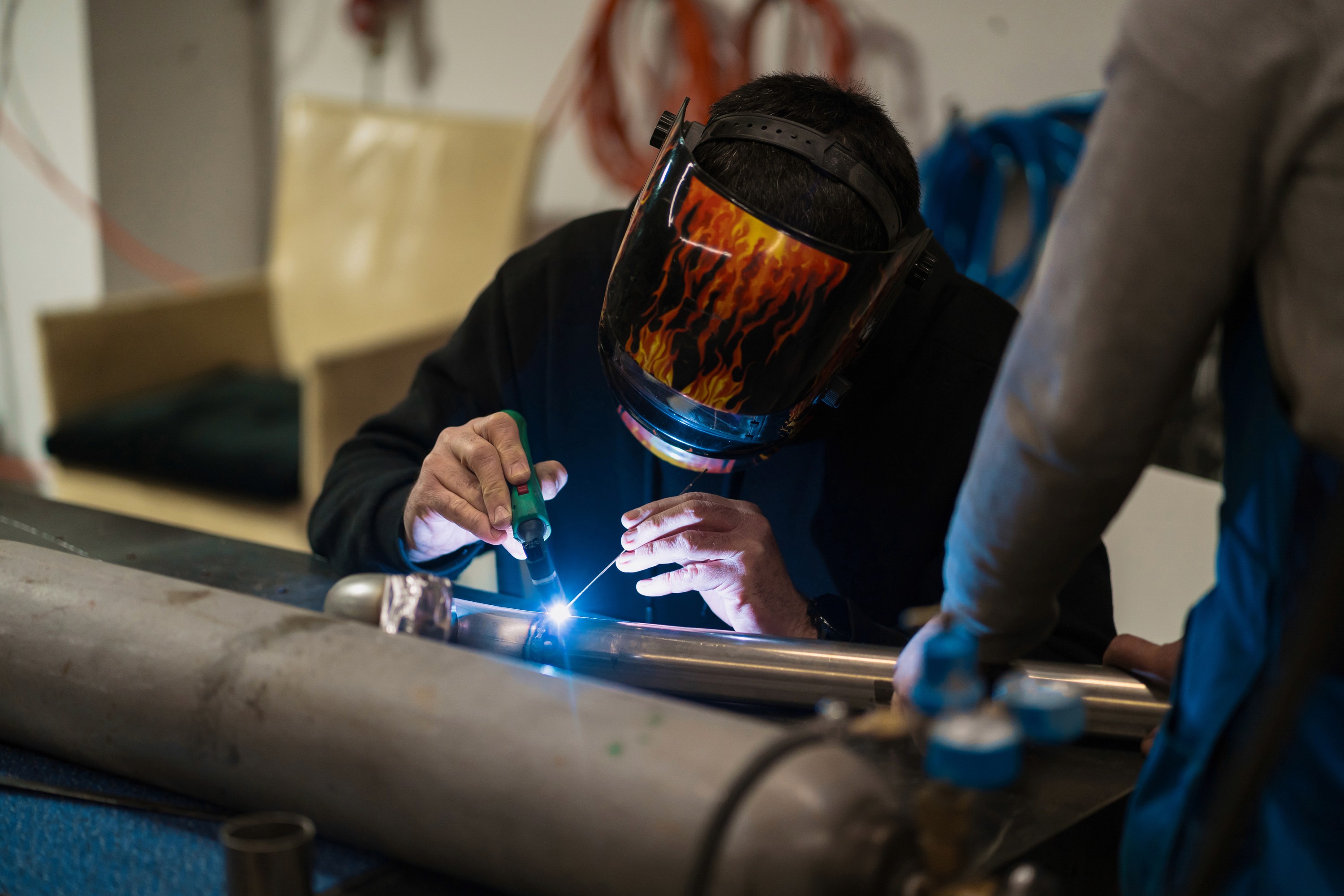
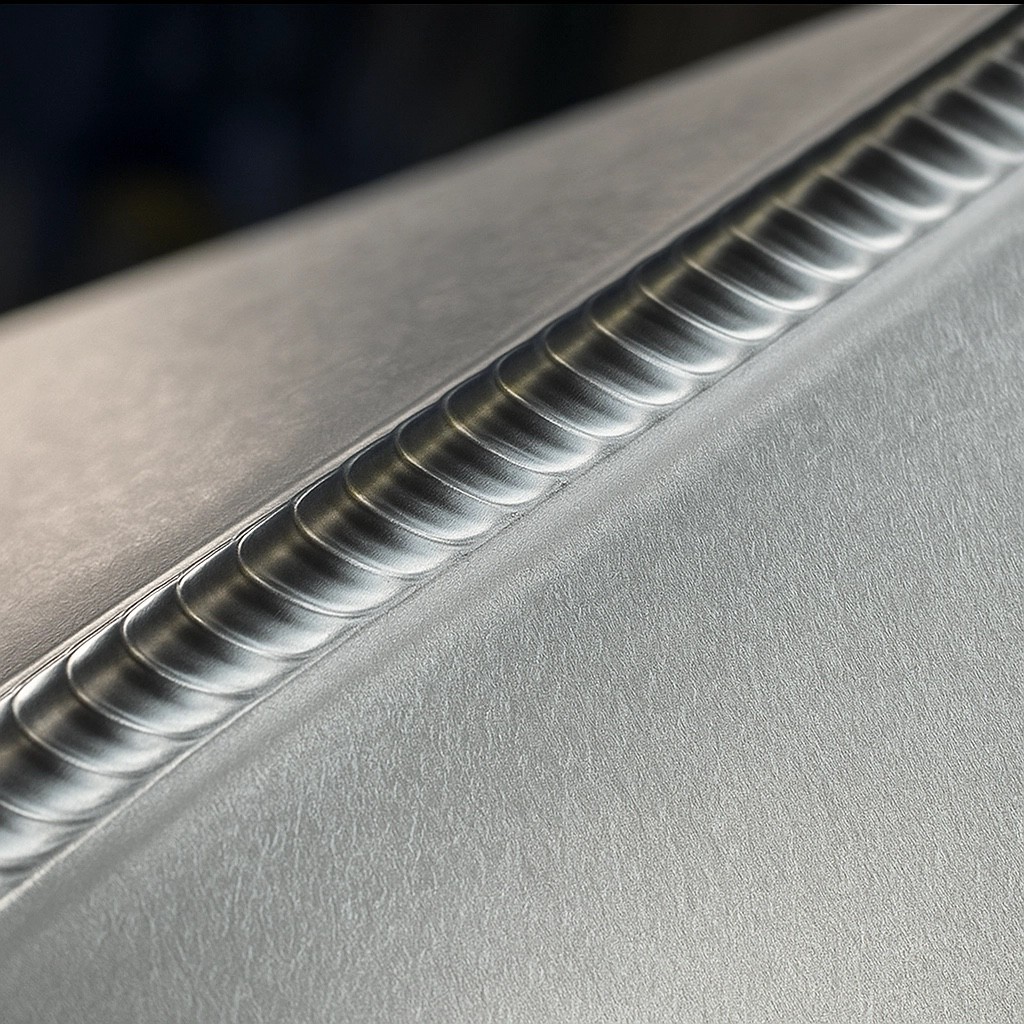
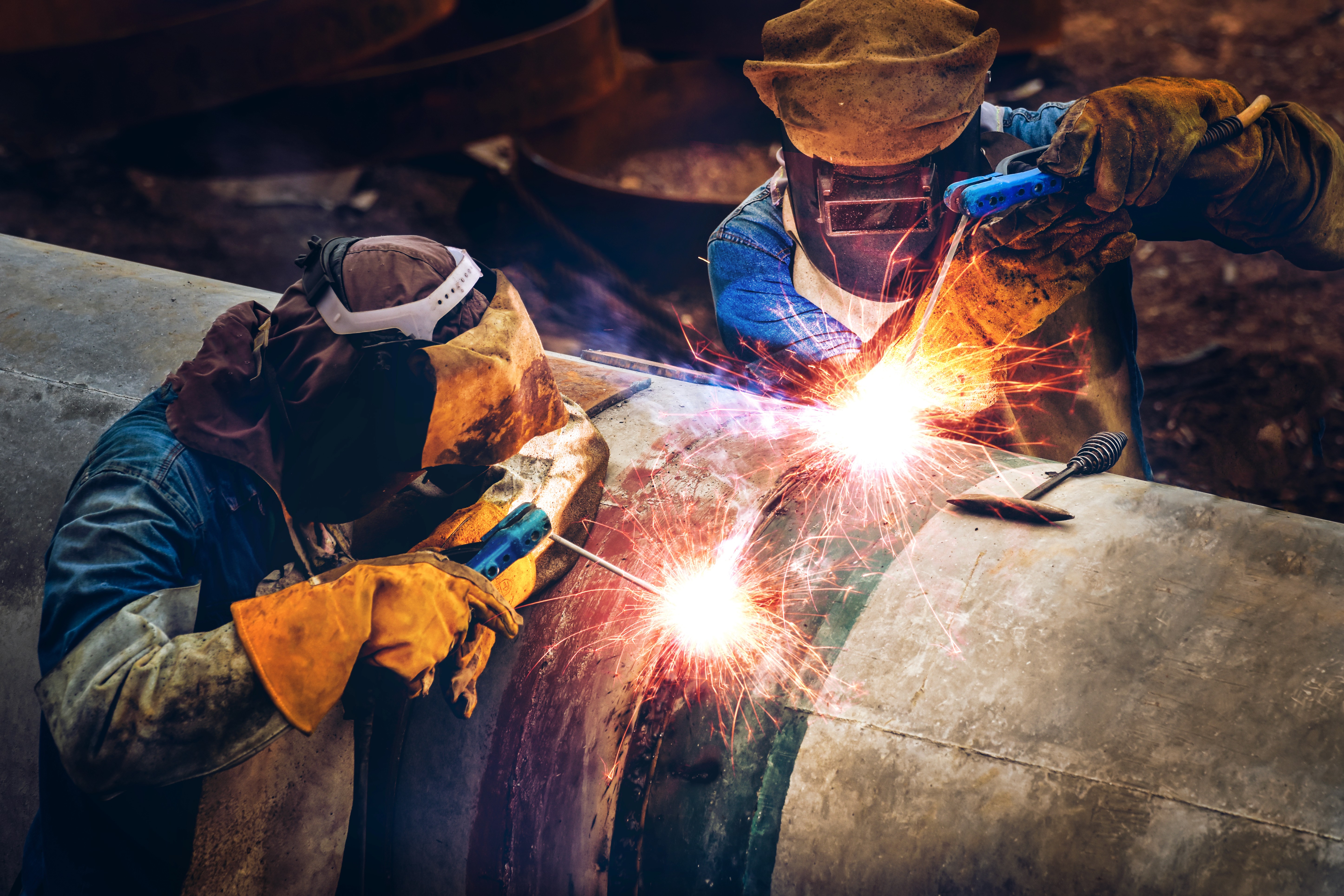
Assembly Methods for Parts

ISO 13485 / ISO 16949 / ISO 14001
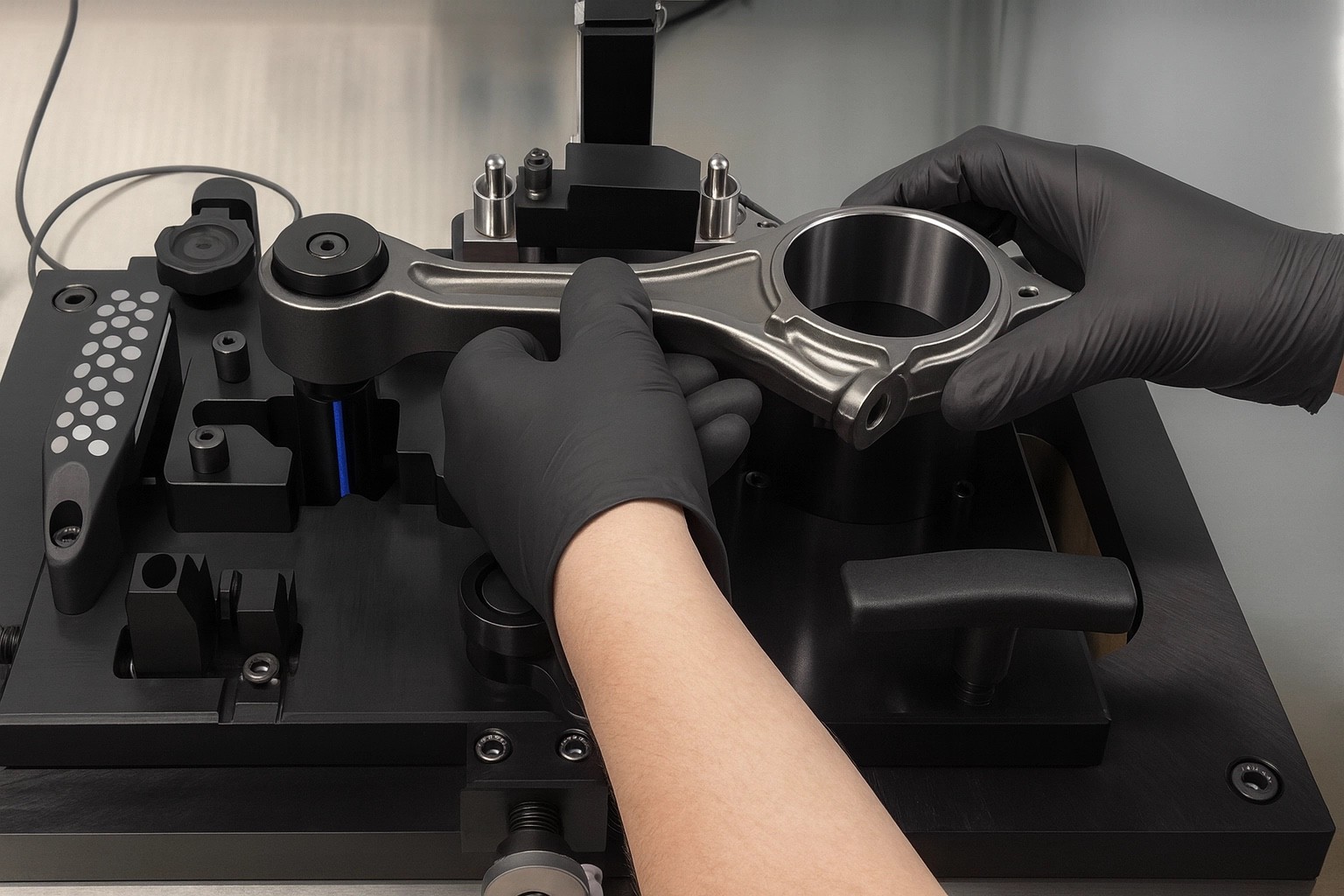
RefacX performs welding and final inspection in accordance with your drawing specifications and GD&T requirements, ensuring high-precision weld quality and dimensional accuracy.
Weld Position Capabilities
1G / 2G / 3G / 4G / 5G / 6G / 6GR
Production Scale
Single parts, sub-assemblies, full structural modules, small to mid-volume production
Factory Size
Our manufacturing space is flexibly arranged to handle parts and structures of varying dimensions, including oversized and heavy-duty assemblies.
Applications of Welding
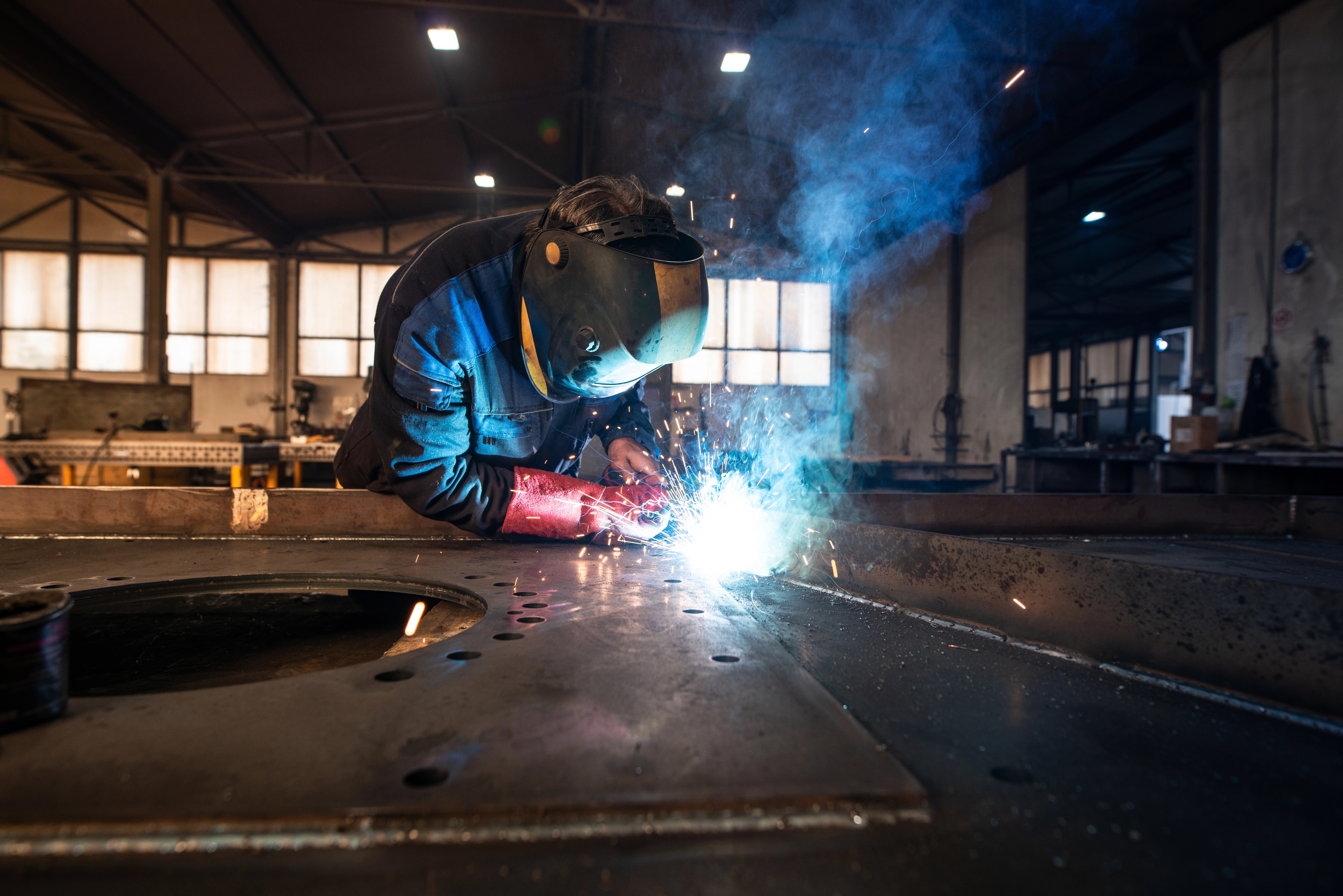
1. Transportation
Welding is essential across the transportation sector to ensure structural rigidity, safety, and lightweight performance.
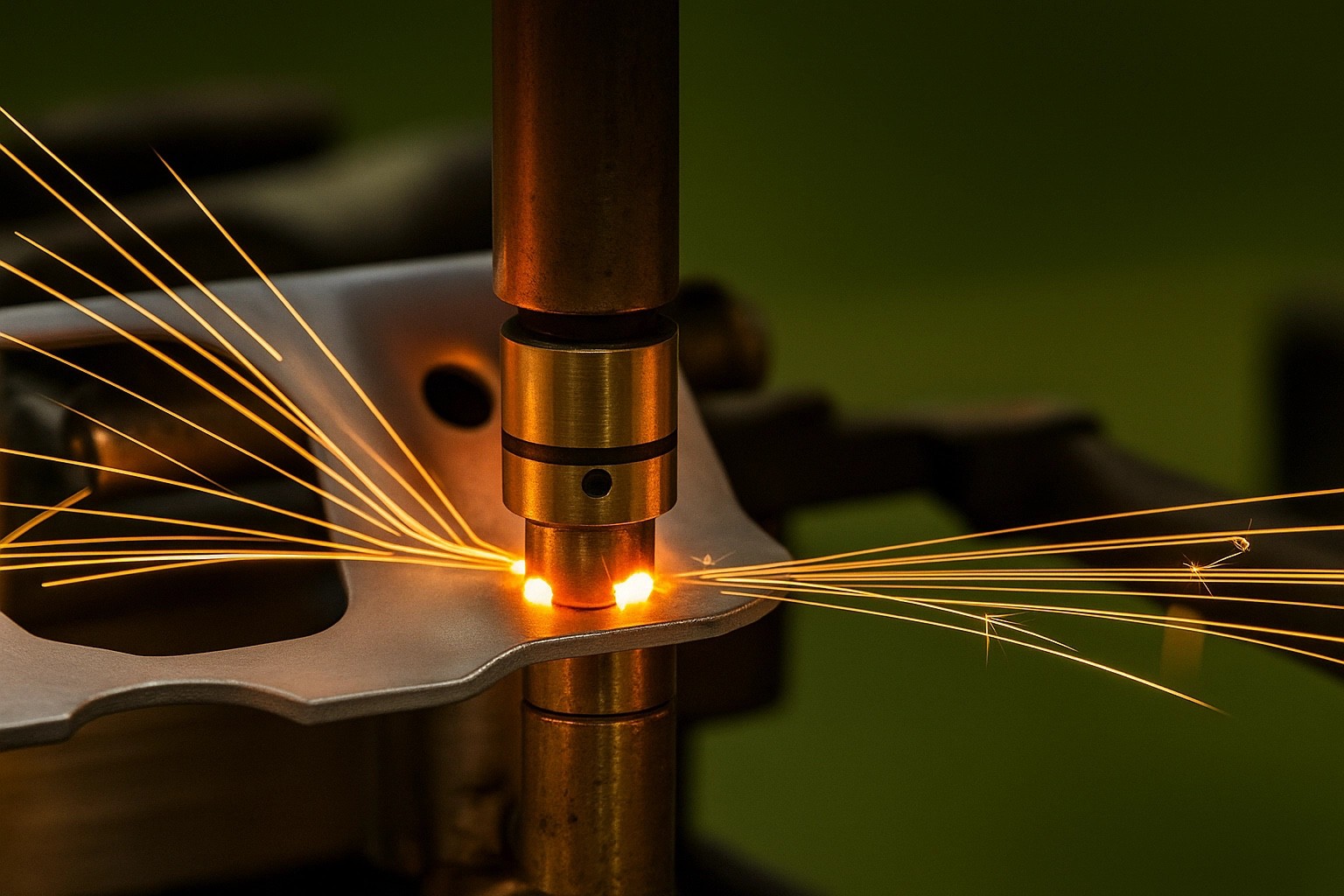
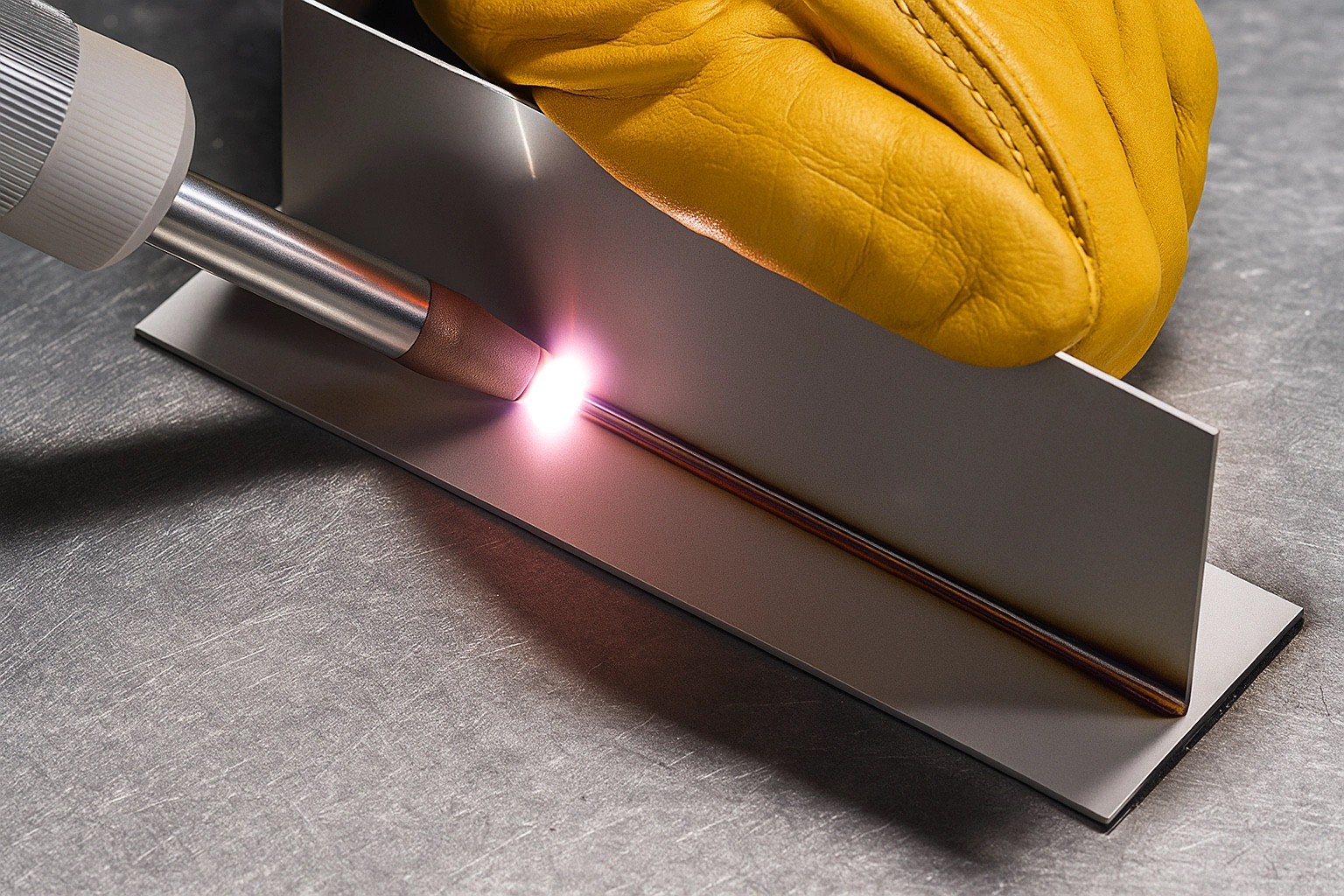
Automotive Manufacturing : Spot welding, MIG (GMAW), and laser welding are widely applied throughout vehicle production, including body frames, chassis components, exhaust systems, and fuel tanks. For electric vehicles, precision laser welding is critical in the assembly of battery modules and battery packs.
Shipbuilding & Marine Structures : Large marine vessels, submarines, offshore platforms, and offshore wind structures rely on high-strength arc welding processes such as SAW and FCAW, which create leak-proof and durable joints capable of withstanding harsh environments.
Aerospace : Aircraft fuselages, wings, engine components, and spacecraft systems require extremely high accuracy and joint reliability. Advanced welding methods such as TIG (GTAW), Electron Beam Welding (EBW), and Friction Stir Welding (FSW) are commonly used for these critical components.
Railway : Welding is used in the fabrication of locomotives and railcar bodies, as well as in joining rail tracks to ensure continuity and structural stability.
2. Construction & Infrastructure
Welding plays a critical role in forming the structural backbone of large and permanent infrastructure.
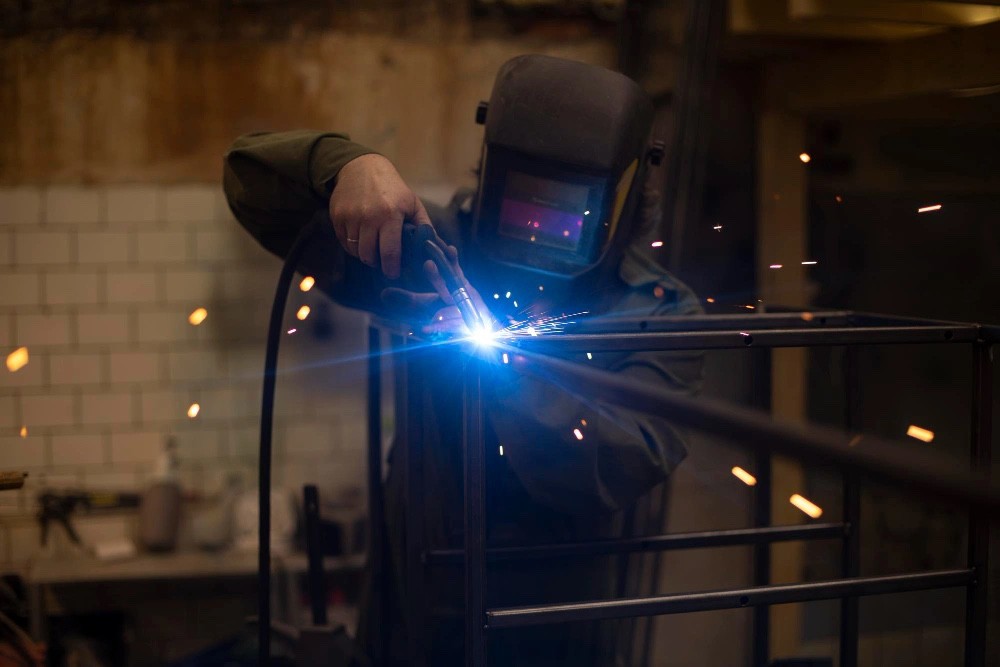
Architectural & Structural Steelwork : Arc welding processes such as SMAW, MIG (GMAW), and FCAW are widely used in the fabrication of steel frames for skyscrapers, commercial buildings, bridges, and stadiums. These welded structures provide the strength and load-bearing capacity required for long-term structural performance.
Pipelines : High-pressure pipelines for oil, gas, water, and industrial fluids are welded using full-penetration techniques to ensure leak-free joints and withstand harsh operating conditions, including temperature extremes and corrosion environments.
3. Energy & Plant
Welding is essential for ensuring the safety, reliability, and efficiency of equipment operating under high temperature, high pressure, and corrosive environments.
Power Generation : Welding is used in the fabrication and maintenance of critical components in nuclear, thermal, and hydroelectric power plants—such as boilers, turbines, pressure vessels, and heat exchangers. These components require stringent welding procedures to ensure structural integrity and long-term durability.
Renewable Energy : Welding is applied in the production of wind turbine towers and blade hubs, as well as in solar panel mounting structures and support frames. These systems demand high fatigue resistance and corrosion protection to operate reliably in harsh outdoor environments.
Chemical & Process Plants : Tanks, reactors, and processing equipment used for storing and handling chemicals require welding of corrosion-resistant materials, ensuring leak-proof joints and safe operation under aggressive chemical conditions.